

Spray Booth Painting: The Key to High-Quality Auto Finishes
When it comes to achieving flawless paint jobs on vehicles, the spray booth is the unsung hero behind the scenes. Whether you’re restoring a VW Polo or working on more complex body repairs, knowing how spray booth painting works (and why it matters) can elevate your results and professionalism.
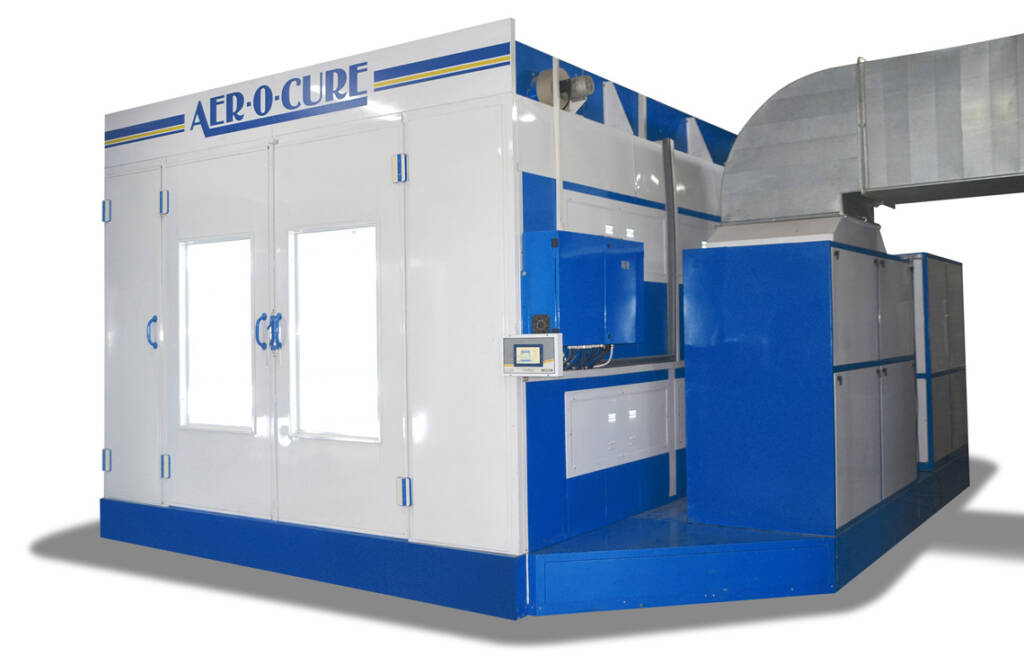
What Is a Spray Booth?
A spray booth is a controlled enclosure designed for painting work, with proper ventilation, filtration, and airflow to manage overspray, fumes, dust, and environmental conditions. In automotive refinishing, it’s an essential part of the process to ensure smooth, clean, safe finishes.
Why Use a Spray Booth?
Regulatory compliance
In many areas, shops must meet safety and environmental standards involving ventilation, emission control, and worker protection.
Cleaner environment, fewer defects
The closed system helps keep dust, insects, and airborne contaminants away from wet paint, significantly reducing blemishes like “dust nibs” or orange peel texture.
Better overspray control & safety
The airflow system captures and extracts excess paint mist, protecting workers and reducing paint drifting. It also helps control fumes for safety and environmental compliance.
Consistent finish & drying
Temperature control, proper ventilation, and consistent air movement improve drying times and ensure evenly cured coats.

Types of Spray Booths & Airflow Designs
Choosing the right booth design is critical. Here are common types and their trade-offs:
| Type | Airflow Direction | Pros | Cons / Considerations |
|---|---|---|---|
| Downdraft / Full Down / Side Down | Vertical flow from ceiling downward | Superior finish quality, better overspray capture, more uniform airflow | More complex, more costly installation (requires ducting, possibly raised floor) Marathon Spray Booths+1 |
| Crossdraft / Side-to-Side | Air enters one side, flows horizontally across, exits opposite side | Simpler and cheaper, easier to retrofit | More risk of overspray settling, less ideal for perfect finishes Marathon Spray Booths |
| Semi-Downdraft / Hybrid | Mix between vertical and horizontal airflow | Balanced cost vs performance | Useful in mid-level body shops pfsspraybooths.com |
Key Components & Features
To run a proper spray booth, several parts must work together:
- Intake / Pre-filters
Bring in fresh air, filter larger particles. - Air makeup / heat systems
Maintain temperature and airflow consistency. - Exhaust / ducting / blower
Pull air out, carrying overspray and fumes away. - Final filters / exhaust filters
Trap paint particles before air exits into environment. - Lighting & visibility
Bright, even lighting ensures proper color matching and spotting. - Control panel / monitoring
Control temperature, fan speeds, airflow balance. - Safety systems
Fire suppression, explosion proof components, proper grounding.
Best Practices for Spray Booth Painting
To get top-tier results (especially for VW Polo or precision repair work):
- Prep carefully
Mask, sand, degrease — base must be flawless before painting. - Use proper airflow settings
Adjust fan speed so that air moves smoothly over the workpiece without turbulent eddies. - Apply thin, even coats
Multiple lighter layers are better than one heavy one (reduces sagging, runs). - Allow “flash time” between coats
Let solvents evaporate before applying next coat. - Control temperature & humidity
Too cold or too humid, and paint may cure slowly or get defects. - Maintain filters & booth cleanliness
Regularly replace pre-filters and exhaust filters, clean walls and floors. - Use detackification (if water-wash booth)
If your booth uses water curtains to trap overspray, use detackifiers to remove stickiness and collect paint solids. Wikipedia
Common Challenges & How to Solve Them
- Orange peel texture
Caused by improper atomization, too much air pressure, or slow solvent evaporation. Adjust spray settings. - Runs / sags
Too heavy a coat or overlapping spray. Mist the coat, allow flash, then build. - Fish eyes or solvent pop
Contamination (silicone, oil) repelling paint. Clean surface carefully, use proper cleaning agents. - Bubbles in paint
Overactive solvent or trapped air. Use correct reducer, apply leaner coat first. - Uneven color / fadeout
Poor technique, inconsistent distance, or airflow issues.
Why Spray Booths Matter for Polo Fix / VW Polo Repairs
At PoloFix, you’re often dealing with subtle panels, tight curves, small components, and color matches (for VW Polo variants). A fully functioning spray booth ensures:
- Spotless, smooth finishes that blend seamlessly.
- Minimal rework or touch-up needed.
- Faster cycle times and confident delivery.
- Professional results that reflect your brand reputation.