
The Role of Modern Technology in Today’s Panel Beating Industry
In the past, panel beating was a purely manual craft — a hammer, dolly, and keen eye were all a technician needed to shape metal back to perfection. Today, the modern body repair shop looks very different. With rapid advances in materials, electronics, and repair standards, technology now plays a key role in how vehicles are assessed, repaired, and refinished.
1. Digital Damage Assessment & Quoting
Gone are the days of paper estimates and guesswork.
Modern panel beaters now use digital estimating software and imaging systems to quickly identify damaged areas and generate accurate repair quotes.
At PoloFix, for example, our assessors use high-resolution imaging and VIN-based databases to match OEM part numbers instantly — saving time and avoiding costly mismatches. The result? Faster turnaround, more transparency, and a smoother insurance process.
2. Advanced Measuring & Frame Alignment Systems
Modern vehicles use lightweight materials and precise tolerances. A millimetre out of alignment can affect safety systems like airbags and sensors.
To restore accuracy, workshops now rely on 3D laser or electronic measuring systems. These tools digitally map the chassis and guide technicians during frame straightening, ensuring every vehicle leaves the shop perfectly aligned to factory specifications.
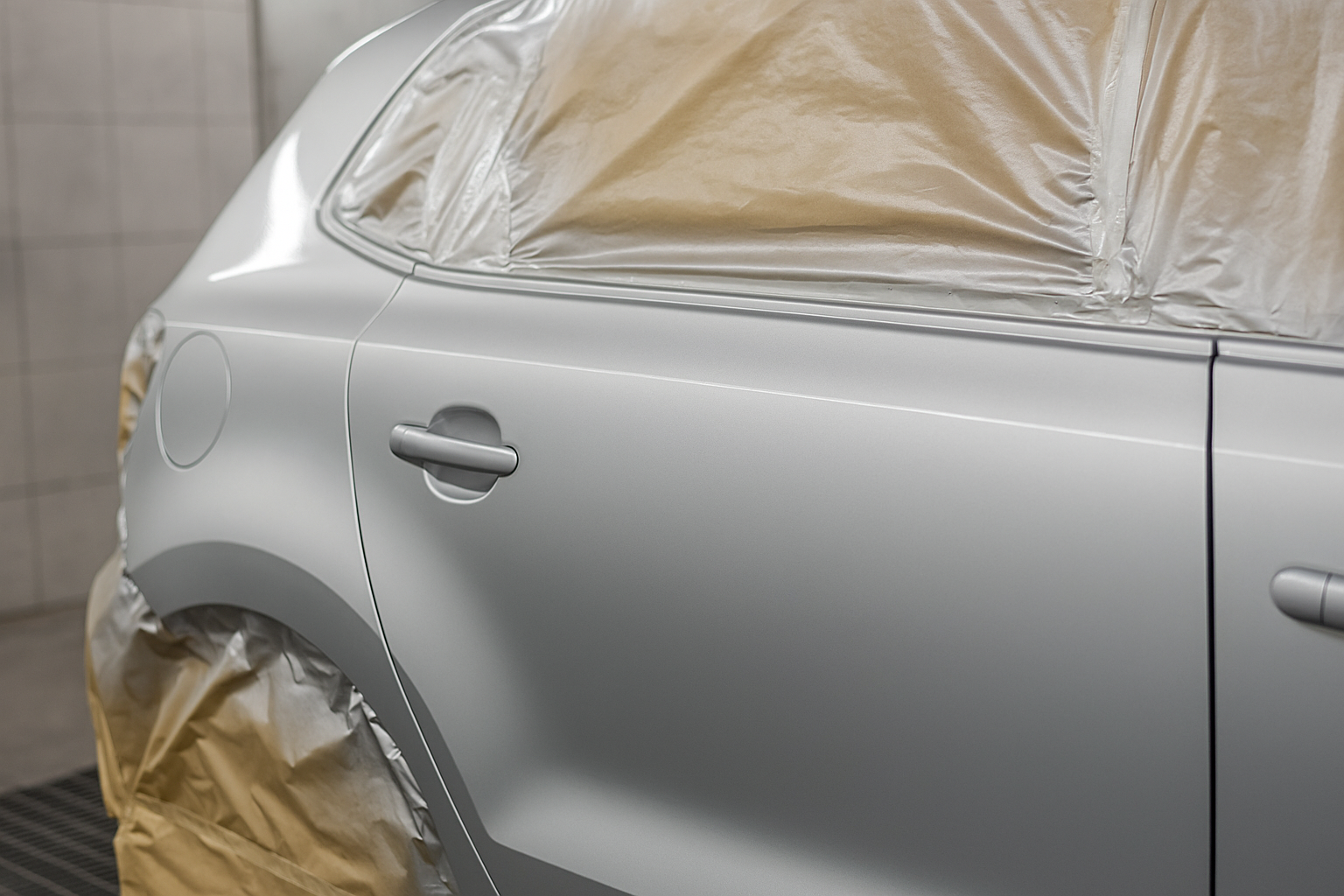
3. Spray Booths & Smart Paint Technology
Paintwork has evolved from basic resprays to high-tech refinishing.
Automated climate-controlled spray booths manage airflow, temperature, and humidity to deliver a flawless finish while keeping the environment dust-free.
Paired with computerised paint-matching systems, colour consistency is guaranteed — whether you’re blending a VW Polo bumper or a full body restoration. Paint manufacturers now provide digital spectrophotometers to read the vehicle’s colour code and match it precisely, reducing waste and rework.
4. Plastic & Aluminium Repair Equipment
With newer cars featuring composite and aluminium panels, workshops have had to upgrade their tools.
Plastic welding systems, aluminium dent-pulling stations, and panel bonding adhesives allow panel beaters to repair rather than replace expensive parts — reducing costs and keeping repairs sustainable.
5. Diagnostic Tools & Sensor Calibration
Modern cars are packed with electronics — from parking sensors to collision-avoidance systems. After repairs, these systems need recalibration to ensure they function correctly.
Workshops now use OBD scanners and ADAS calibration equipment to check every sensor, camera, and radar system before returning the car to the road.
This guarantees that your repaired car isn’t just beautiful — it’s also safe and compliant with manufacturer standards.
6. Workflow Automation & Communication
Cloud-based management tools now connect reception desks, assessors, and technicians.
Customers can receive progress updates, view invoices, and approve estimates online. For insurance jobs, data can sync automatically with assessors and suppliers, eliminating delays.
At PoloFix, we’re integrating AI-powered chatbots and WhatsApp repair tracking through our partner BotSpice, making customer communication faster and more personal than ever.
7. The Future: AI, Robotics & Green Repair
The next wave of innovation will focus on AI-driven diagnostics, robotic paint application, and eco-friendly materials.
Water-borne paints, energy-efficient spray booths, and sustainable repair methods are already becoming industry norms, reducing waste and improving safety for technicians and the environment alike.
Conclusion
Modern technology has transformed panel beating from a manual trade into a precision-based science.
By investing in advanced tools, software, and automation, repair shops can deliver higher-quality finishes, faster turnaround times, and safer vehicles.
At PoloFix, we embrace these innovations to ensure every VW Polo — and every customer — gets the professional, modern service they deserve.
📍 PoloFix — VW Polo Specialists
Accident Damage • Paint • Parts • Repairs
